
Where we work
Kambia District - background
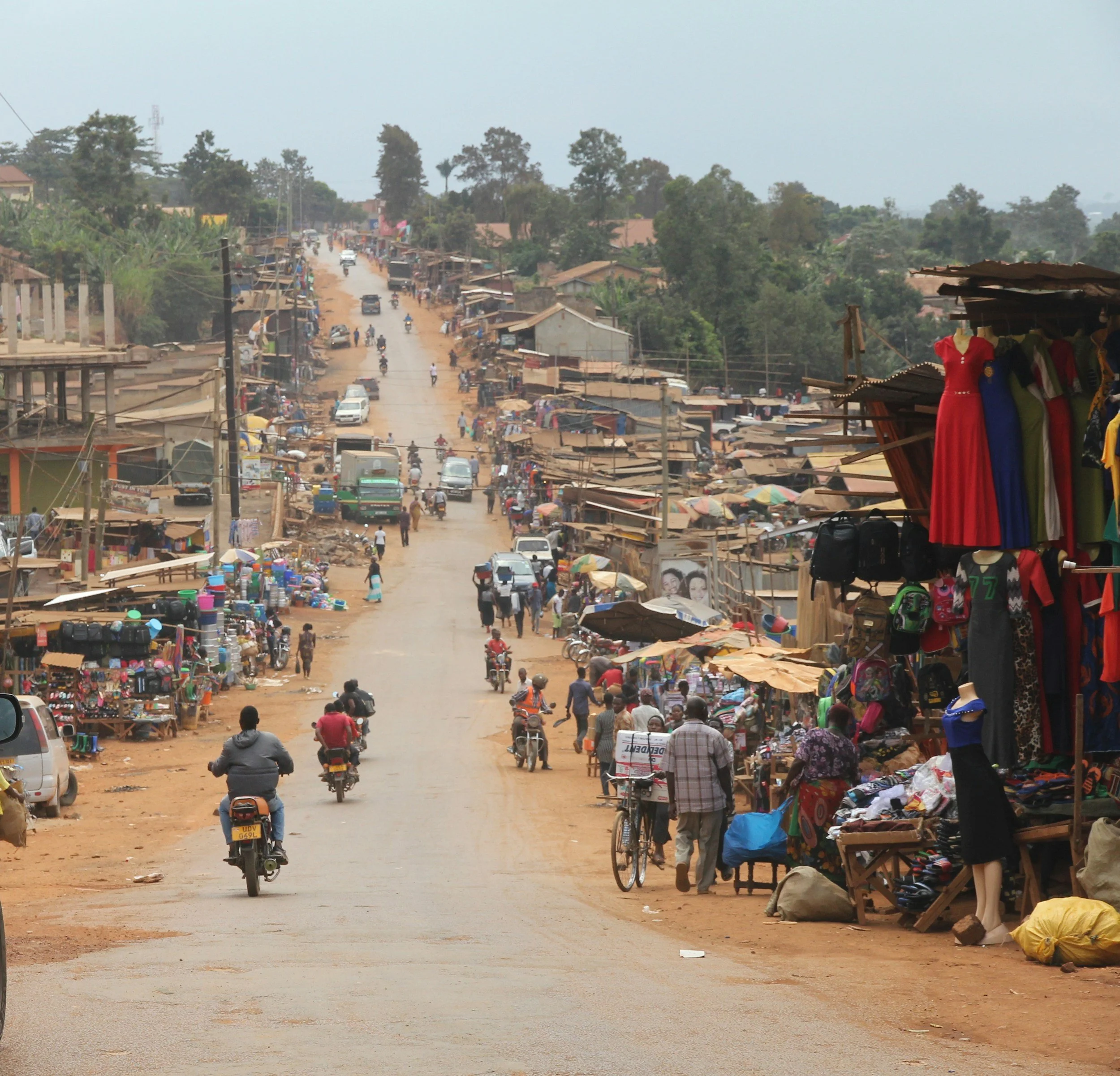
Kambia district lies in the Northern Province of Sierra Leone. The district has a population of 367,699, occupies 1,200 square miles and is divided into seven chiefdoms with Kambia town as its capital and largest city.
The district is ethnically diverse with an overwhelmingly Muslim majority.
Kambia is one of the poorest districts in Sierra Leone. Most families gain their income from subsistence farming, casual hired labour, fishing or petty trading. Basic infrastructure, such as the health system and road networks are weak. Transportation is limited, making access to health services extremely difficult and often impossible in the remotest areas during the rainy season.
Sierra Leone’s infrastructure
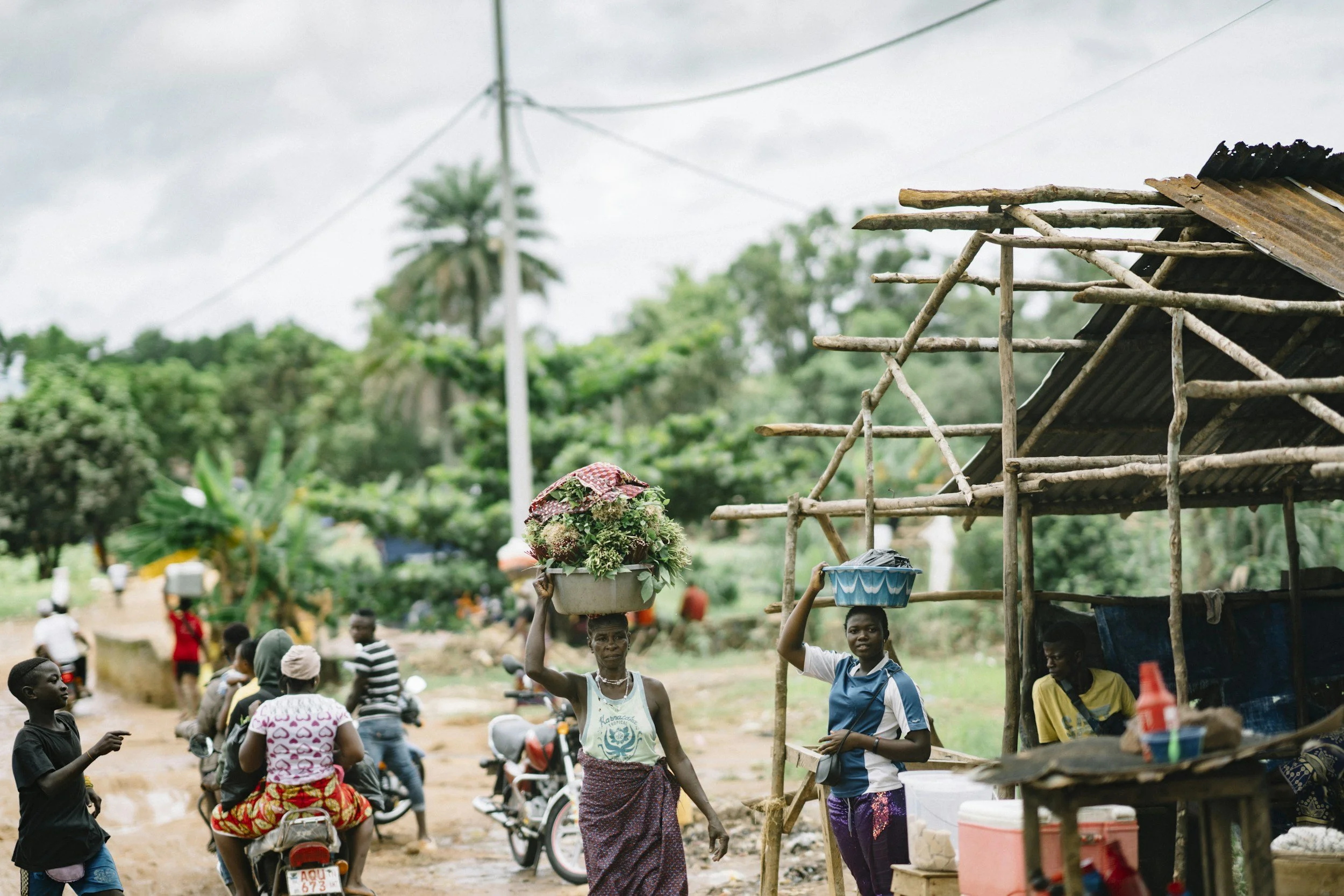
80% of Sierra Leoneans do not have access to electricity. Those that do live in the four main cities, Freetown, Bo, Kenema and Makeni.
In the rural areas, electricity is only available if you have the means to purchase a generator and the funds to purchase the ongoing diesel required. For most people, this is not an option.
Dirt roads are the common feature of the rural transportation network, and many of these become impassable during the rainy season.
Sierra Leone has 11,300 kilometres of roads. Of these, only 904 km are paved – about 8 percent.
Improvements have been made to drinking water, and whilst overall access to basic hygiene services stands at 12%, access to safe drinking water increased from 57% in 2017 to 62.6% in 2022 (UNICEF) translating to an additional 5.4 million people accessing safe and clean water. The water in Kambia town is provided via standpipes, however in the villages, people still rely on water from wells and rivers.
Health infrastructure in Kambia District
Kambia’s health system comprises 1 district hospital and a network of 69 Peripheral Health Units (PHUs).
The hospital consists of 4 basic wards with minimal facilities (male, female, paediatric and maternity), with one surgical theatre, 2-3 outpatient clinic rooms, and an under 5´s clinic run by nurses. It is the only hospital in the district serving a population of over 360,000. Electricity is intermittent depending on a generator and fuel.
The hospital has 1doctor who is in overall charge and is supported by Community Health Officers (CHO) - similar to a UK paramedic. Unfortunately, if the doctor is not available, and no CHO with the necessary skills is available either, no surgeries can take place.
The Peripheral Health Units (PHUs) are the equivalent to our GP surgeries, and this is where the majority of the population access healthcare. These range from larger, better equipped units, with a CHO in charge and a community midwife, to more basic facilities, manned by the most junior cadre of Sierra Leone health care workers, a Maternal & Child Health Attendant (MCHA).
MCHAs provide the backbone of local health serves in Sierra Leone. Their role was created in the 1970s as a stop-gap solution to the chronic lack of qualified midwives and nurses to provide basic health care to pregnant women and children.
The majority work at the lowest level health facilities, often in remote and inaccessible areas, where there are no other senior staff, such as midwives or nurses or community health officers.
Support our growth
Donating to our charity is a simple yet impactful way to make a difference in the lives of those in need. By contributing, you join a caring community dedicated to spreading kindness and ensuring that support reaches the right hands.